Industrial electric systems are the backbone of factories, warehouses, and large production facilities. When these systems work well, they keep machines running smoothly and ensure that operations remain safe and efficient.
Poor maintenance can lead to equipment failure, costly downtime, and even safety hazards for workers. Following simple, practical steps helps industrial facilities maintain their electrical systems and avoid unnecessary problems.
Regular Inspections Keep Systems Safe
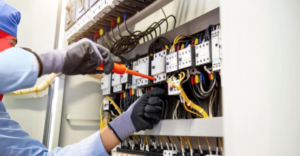
Regular inspections are essential to spot problems before they become serious. Checking wiring, circuit breakers, and panels helps identify signs of wear or damage. Inspecting connections for looseness or corrosion prevents short circuits and other malfunctions.
Scheduling inspections at set intervals ensures that small issues are corrected quickly, reducing the risk of larger breakdowns that could halt production.
Clean and Protect Electrical Components
Dust, moisture, and dirt can damage electrical components and reduce system efficiency. Cleaning panels, switches, and motors regularly removes buildup that may interfere with proper function. Protective covers and enclosures also help prevent damage from environmental factors.
Maintaining a clean system not only extends the life of the equipment but also improves safety for workers operating near high-voltage components.
Hire Electrical Contractors
Working with professional electrical contractors ensures that maintenance and repairs meet industry standards. Electrical contractors bring the expertise to handle complex systems safely and efficiently.
They can identify potential hazards that may be missed by less experienced personnel and provide guidance on upgrades or replacements. Relying on skilled contractors reduces the chance of costly mistakes and ensures compliance with safety regulations.
Work with Industrial Electrical System Estimating Services
Using industrial electrical system estimating services helps facilities plan maintenance budgets and equipment upgrades. These services assess current electrical loads, predict future needs, and provide accurate cost estimates.
Industrial electrical system estimating services prevent overspending on unnecessary equipment and ensure that investments match the facility’s operational requirements. Proper planning helps businesses avoid unexpected downtime caused by inadequate electrical capacity.
Keep a Maintenance Schedule
A consistent maintenance schedule keeps all parts of the electrical system functioning optimally. Documenting maintenance tasks, repairs, and inspections allows staff to track recurring issues and spot trends.
Scheduling preventive maintenance, such as testing backup systems and replacing worn components, reduces the risk of sudden failures. Following a structured plan keeps the system reliable and minimizes interruptions to production.
Train Staff on Safety Procedures
Employees who work with industrial electric systems must understand safety procedures. Training ensures that staff can recognize hazards, follow proper shutdown procedures, and respond quickly to emergencies.
Regular drills and refreshers maintain awareness and prevent accidents. A well-trained workforce supports the longevity of the electrical system by reducing mistakes and promoting careful operation of high-voltage equipment.
Conclusion
Maintaining an industrial electric system requires attention, planning, and professional support. Regular inspections, clean components, expert contractors, accurate estimating services, a proper maintenance schedule, and staff training all contribute to safe and efficient operations.
Following these steps helps industrial facilities avoid downtime, reduce costs, and keep workers safe. A well-maintained system is essential for long-term productivity and reliability.