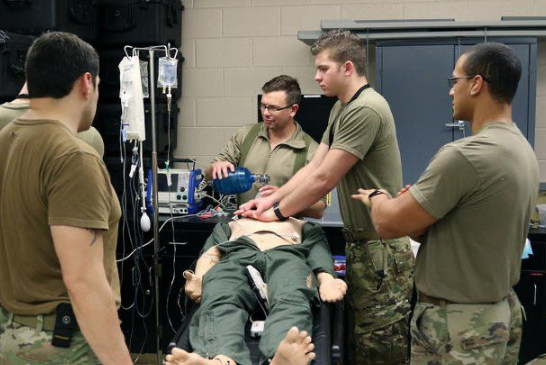
Emergency medical training is crucial for saving lives, especially in high-pressure environments like battlefields. Soldiers, medics, and healthcare professionals rely on accurate, up-to-date information to respond effectively to injuries. Military medical publications play a key role in providing that knowledge. They bridge the gap between theory and practice, ensuring that medical teams are prepared for critical scenarios. These resources offer structured guidance and real-world insights, making emergency responses faster and more efficient.
The Role of Military Medical Publication in Knowledge Dissemination
A military medical publication is a specialized resource that shares research, case studies, and protocols for medical care in military settings. These publications keep medical personnel informed about the latest techniques in trauma care, infectious disease management, and battlefield medicine. By documenting real incidents, they help trainees understand challenges they might face during emergencies. The structured content allows medics to learn from past experiences and apply those lessons in the field.
Enhancing Practical Skills Through Military Medical Publication
Practical skills are at the heart of emergency medical training. Military medical publications provide step-by-step procedures, diagrams, and simulations to guide hands-on learning. Trainees can study complex scenarios before attempting them in practice drills. For instance, understanding how to control hemorrhage or manage airway emergencies is reinforced through detailed case examples in these publications. This method improves confidence and reduces errors when performing high-stakes procedures under pressure. The military medical publication acts as both a reference and a mentor, supporting skill development in real-time training situations.
Integration of Military Medical Publication Into Training Programs
Training programs incorporate military medical publications into lectures, workshops, and field exercises. They serve as the backbone of curriculum design for emergency medicine courses in military academies and medical units. Instructors use them to standardize teaching methods, ensuring every trainee receives consistent information. Access to these publications allows trainees to cross-check procedures, validate techniques, and stay current with evolving best practices. Military medical publication strengthens training programs by providing evidence-based guidance that aligns classroom learning with real-world applications.
Updating Emergency Protocols Through Military Medical Publication
Medical protocols are not static; they evolve with new discoveries and battlefield experiences. Military medical publications regularly update protocols to reflect innovations in emergency care. Trainees learn the importance of adapting procedures to changing conditions, such as treating injuries from new weaponry or responding to emerging infections. These updates ensure that emergency medical personnel are always prepared to handle the latest challenges efficiently. Military medical publication serves as a dynamic resource, keeping training programs and field operations in sync with current medical standards.
Promoting Research and Innovation in Emergency Care
Military medical publications also encourage research and innovation. Trainees and professionals are inspired to contribute case studies, experiments, and reviews that enhance collective knowledge. This culture of sharing insights accelerates improvements in trauma management and emergency care techniques. By highlighting innovative approaches, these publications encourage problem-solving under pressure, which is crucial in emergency medical training. Military medical publication not only preserves existing knowledge but also drives continuous advancement in the field.
Conclusion
Military medical publications are more than just reference materials; they are essential tools for effective emergency medical training. By providing structured knowledge, reinforcing practical skills, supporting curriculum integration, updating protocols, and encouraging innovation, they ensure that medical personnel are prepared for any scenario. For soldiers and medics on the frontlines, these publications can make the difference between life and death. Their ongoing use in training programs strengthens emergency response capabilities and enhances the overall quality of care.