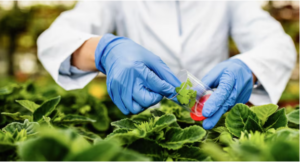
Modern farming is facing many challenges, from increasing food demand to climate change and limited natural resources. To meet these challenges, farmers are adopting new technologies that can make agriculture more efficient and sustainable. One of the most promising technologies is nanotechnology. By using extremely small materials and particles, nanotechnology is helping farmers grow healthier crops, use resources wisely, and reduce environmental impact.
Understanding Nanotechnology in Farming
Nanotechnology involves manipulating materials at a very tiny scale—so small that they are measured in nanometers. In farming, nanotechnology can be used to create smart fertilizers, pesticides, and sensors that improve crop growth and health. These tools work more precisely than traditional methods, ensuring that plants get exactly what they need without wasting resources.
For example, nanoparticles can be used to deliver nutrients directly to plant roots or leaves. This targeted delivery helps plants grow faster and stronger while reducing the amount of fertilizer needed. Similarly, nanotechnology in farming can help protect crops from pests and diseases in a safer way than chemical pesticides.
Improving Crop Nutrition and Yield
One of the biggest benefits of nanotechnology is improving crop nutrition. Traditional fertilizers often get lost in the soil or washed away by rain, which can harm the environment and increase costs for farmers. With nanotechnology, nutrients can be packaged in tiny carriers that release them slowly and directly to the plants. This ensures that crops absorb more nutrients efficiently.
Better nutrition leads to healthier plants and higher yields. Farmers can produce more food on the same amount of land, which is crucial as the global population grows. Nanotechnology also allows scientists to develop fertilizers and soil treatments that respond to specific conditions, such as soil type or weather, further improving crop growth.
Enhancing Pest and Disease Management
Pest control is another area where nanotechnology in farming is making a difference. Nanoparticles can be used to deliver pesticides in a more precise and controlled way, targeting harmful insects while leaving beneficial insects unharmed. This reduces the total amount of chemicals used and minimizes pollution.
In addition, nanotechnology can help detect diseases early. Tiny sensors can be placed in soil or on plants to monitor moisture, nutrient levels, or signs of infection. When a problem is detected, farmers can act quickly to prevent it from spreading. This early detection system improves crop health and reduces losses.
Water and Soil Management
Water scarcity is a major challenge for modern agriculture, and nanotechnology offers solutions here as well. Nano-based sensors can monitor soil moisture levels in real time, helping farmers water crops efficiently. Some nanomaterials can even help retain water in the soil, making it available to plants for longer periods.
Soil quality can also be improved using nanotechnology. Nano-fertilizers and soil treatments can repair nutrient deficiencies and enhance soil structure, leading to stronger plant roots and better growth. By using these tools, farmers can maintain healthy soil while reducing chemical inputs.
Environmental Benefits of Nanotechnology
Nanotechnology in farming not only improves productivity but also reduces environmental impact. By using smaller amounts of fertilizers and pesticides more effectively, farmers decrease pollution in water and soil. Targeted nutrient delivery reduces greenhouse gas emissions, and efficient water management conserves a vital resource. Overall, nanotechnology helps create a more sustainable farming system that benefits both people and the planet.
Conclusion
Nanotechnology is changing the way modern farming works. From improving crop nutrition and pest management to enhancing water and soil use, these tiny innovations are making a big difference. By integrating nanotechnology in farming, we can grow more food with fewer resources and less environmental impact. As technology continues to advance, nanotechnology will likely play an even larger role in shaping the future of agriculture, helping farmers meet the demands of a growing world while protecting our planet.