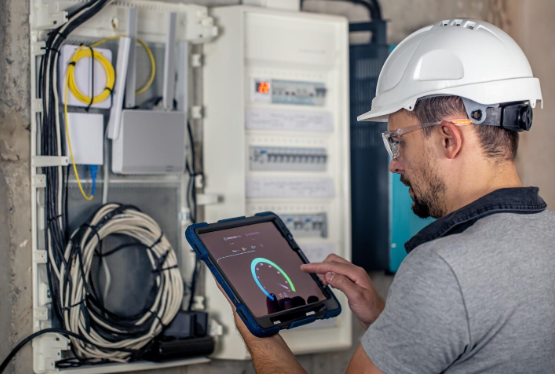
Electrical estimating services analyze blueprints, labor costs, and material quantities to deliver accurate budgets and bids for electrical projects. They use specialized software to optimize costs across sectors, helping projects stay profitable and avoid budget overruns.
Accuracy is a major concern in today’s competitive industry, whether in residential or commercial projects. Precise budgeting is essential to avoid high costs. It plays a vital role by providing detailed cost calculations, material quantities, labor requirements, and project forecasts.
This informative guide demonstrates how an electrical estimating service contributes to project accuracy by outlining its role across industries.
1. Electrical Construction Estimating
Tight budgets, strict timelines, and local regulations are common constraints in construction projects, where small mistakes can lead to disaster. A careful electrical construction estimating process is critical for project accuracy and precise budgeting. This also enables the construction stakeholder to make more informed decisions about electrical installations.
Accurate estimation helps contractors, engineers, developers, and project managers understand the true cost of electrical installation before construction begins.
By analyzing project specifications, including drawings and other requirements, electrical estimators can prepare detailed reports that help project managers make more informed decisions.
2. Electrical Industrial Estimating
Industrial electrical estimating involves calculating the total costs, including materials, labor, equipment, and permits, required to complete heavy-duty electrical projects. Calculating these requisites for an industrial project ensures utmost accuracy and serves as the foundation for the project’s profitability and survival.
However, minor miscalculations, such as omitting specific lengths, failing to account for specialized fittings for hazardous environments, or misjudging labor-intensive conduit runs, can quickly erode profit margins or cause catastrophic cost overruns.
Because industrial projects, such as manufacturing plants or refineries, are highly complex and accuracy is vital, otherwise you might incur heavy financial losses.
3. Electrical Renewable Energy & Utilities Estimating
Electrical estimating for renewable energy and utility projects requires specialized calculations to determine material, labor, and infrastructure costs. Accurate pricing and system sizing ensure project profitability and compliance with utility regulations.
Electrical estimates improve project accuracy by providing reliable, cost-effective power-grid availability data for decision-makers. This precise data ensures stable power delivery, optimizes battery storage distribution, and minimizes costly energy curtailment, often supporting sustainability initiatives.
4. Electrical Residential Estimating
Residential electrical estimating is the process of calculating the total cost of a job, including materials, labor, permits, overhead, and profit, to produce a profitable, competitive bid. Electrical estimating ensures profitability by eliminating guesswork and preventing costly underpricing.
It establishes realistic budgets, optimizes labor scheduling, and fosters client trust through transparency and time management, improving project accuracy and efficiency. This results in a realistic cost reflected in your warranty, eliminating any guesswork about the cost of electrical projects.
5. Effective Electrical Installation
Accurate electrical estimation is the foundation for effectively implementing electrical installations for your projects, whether commercial or residential. However, for accurate estimation, it is always recommended to consult an electrical professional with hands-on experience in your area and the required licensing to perform electrical work. Effective electrical installation will save you from unwanted repairs and modifications in the long run.
Bottom Line
Electrical estimation services are essential whether you are estimating for residential or commercial projects. They provide a clear blueprint of the costs you will incur, improving accuracy and reducing risk by eliminating the need to keep guessing for rough estimates. Always consult professionals with prior experience in electrical estimating services to get a precise estimate and avoid cost overruns.