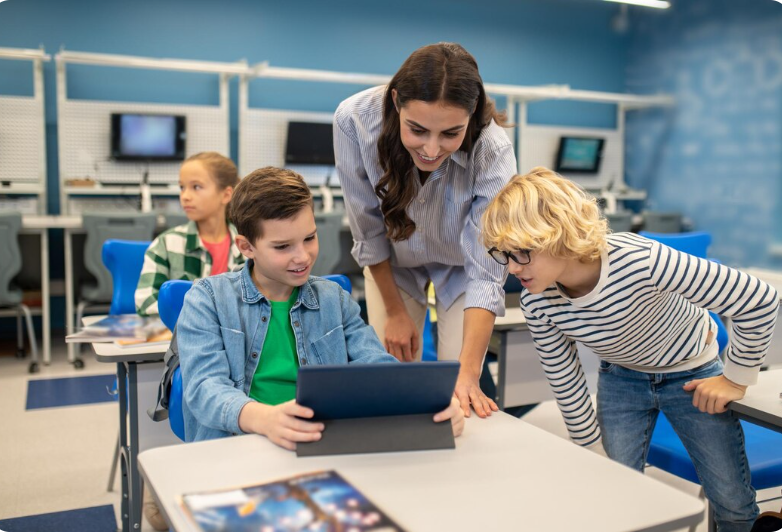
Families searching for hybrid homeschool near me may be interested in educational models that combine the flexibility of home learning with structured instruction and opportunities for social interaction. Hybrid approaches can give students a more adaptable routine while allowing parents and educators to share responsibility for supporting academic progress and personal development.
Understanding Hybrid Education
Hybrid learning can take different forms depending on the program. Some students may complete part of their coursework at home while attending scheduled classes, workshops, or group activities during the week.
This approach can offer several advantages:
- Flexible learning schedules
- Opportunities for guided instruction
- Smaller learning groups
- Greater family involvement
- Social and collaborative activities
- Room for independent study
The specific structure varies, so families should review each program carefully before making a decision.
Why Learning Flexibility Matters
Children have different interests, strengths, and learning preferences. A flexible educational environment can allow students to spend additional time on challenging concepts while moving efficiently through areas they understand well.
Parents may also appreciate having greater visibility into their child’s learning experience. Regular communication with educators can make it easier to understand progress and identify areas where additional support may be useful.
Small Groups and Student Engagement
Smaller learning communities can create more opportunities for students to participate. Instead of simply listening to lessons, students may have more chances to ask questions, collaborate with classmates, complete projects, and discuss ideas.
Teachers can also observe individual students more closely. This may help them adjust activities and provide support based on each learner’s needs.
What Parents Should Evaluate
When comparing educational programs, families should consider more than the schedule. A program’s curriculum, teaching approach, student support, and learning environment can all influence the overall experience.
Parents may want to ask:
- How is the curriculum organized?
- How much learning takes place at home?
- What classroom or group activities are provided?
- How is student progress tracked?
- How do teachers communicate with families?
- What opportunities exist for social development?
A visit or introductory conversation can provide useful information that may not be available through an online description.
Encouraging Independent Learning
Flexible education can also help students develop independence. When children are given appropriate responsibility for assignments, projects, and personal goals, they can gradually build organization and time-management skills.
These habits can become valuable as students progress through different academic levels. Encouraging curiosity and allowing students to explore subjects they enjoy can further strengthen their engagement with learning.
Final Thoughts
Choosing an educational model requires careful consideration of a student’s needs and a family’s expectations. Families exploring a microschool Wekiwa Springs option can compare learning environments, schedules, instructional approaches, student support, and opportunities for collaboration to determine which setting aligns with their educational goals.