Choosing the right flooring is a transformative process that defines the aesthetic, comfort, and functionality of your living space.
Whether you are renovating a single room or updating your entire house, the selection of materials and the quality of installation are paramount to achieving a professional result.
A well-planned flooring project enhances the value of your property while creating a warm, welcoming environment for your family.
By following a structured approach to selection and preparation, you can ensure that your new floors look beautiful and perform reliably for many years to come.
Assessing Durability and Lifestyle Needs
Before choosing a material, carefully evaluate the requirements of each room in your home. High-traffic areas like entryways, kitchens, and hallways demand durable, moisture-resistant surfaces that can withstand heavy foot traffic and frequent cleaning.
Conversely, bedrooms and formal living areas may prioritize comfort and sound insulation over extreme durability.
Understanding how each space is utilized allows you to select the appropriate material—such as hardwood for longevity, luxury vinyl for versatility, or tile for water resistance—ensuring that your investment remains practical and visually appealing throughout its entire lifespan.
Selecting Soft and Comfortable Carpets
For many homeowners, nothing compares to the warmth and underfoot comfort provided by high-quality carpets. They are an excellent choice for bedrooms and cozy lounges, offering natural sound absorption and insulation.
When selecting these materials, consider the fiber type, pile density, and stain resistance to ensure they can handle your household activity levels.
A well-chosen textile not only provides a soft surface but also adds texture and color to your interior design. Always opt for quality padding, as it significantly improves the feel of the floor and extends the durability of the material.
Maximizing Comfort with In-Floor Heating
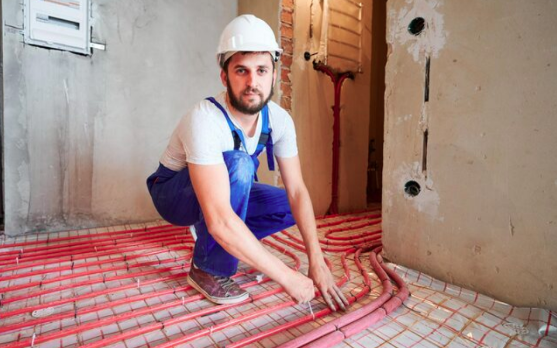
If you live in a region with cold winters, integrating advanced in floor heating systems is an upgrade that elevates your daily comfort. This technology provides consistent, radiant warmth that eliminates cold spots and creates a luxurious atmosphere in bathrooms or kitchens.
When planning to install this system, it is vital to select floor coverings that are specifically rated for thermal conductivity and heat resistance.
Proper coordination between your heating professional and your flooring installer ensures that the system is safely and effectively incorporated, delivering unmatched comfort throughout the colder months of the year.
Precision in Subfloor Preparation
The success of your installation depends almost entirely on the condition of your subfloor. Any imperfections, such as uneven surfaces, moisture issues, or loose sections, will eventually compromise the integrity of your new finish.
Take the time to level, clean, and dry the subfloor thoroughly before the final material is laid. Addressing these foundational issues early prevents common problems like squeaking, buckling, or shifting boards.
Skipping this step may lead to a premature failure of your beautiful new surface, making meticulous subfloor preparation a non-negotiable phase of any renovation project.
Managing Budget and Material Waste
A successful project requires a realistic budget that accounts for both materials and professional labor. Always include a buffer for unexpected costs, such as subfloor repairs or complex doorway transitions.
Furthermore, ensure that you order slightly more material than the exact square footage of your rooms to account for cutting, waste, and future repairs.
Having extra planks or tiles on hand is a smart insurance policy; it guarantees a perfect color match should you need to replace a damaged section years later, protecting the long-term beauty of your newly installed surfaces.