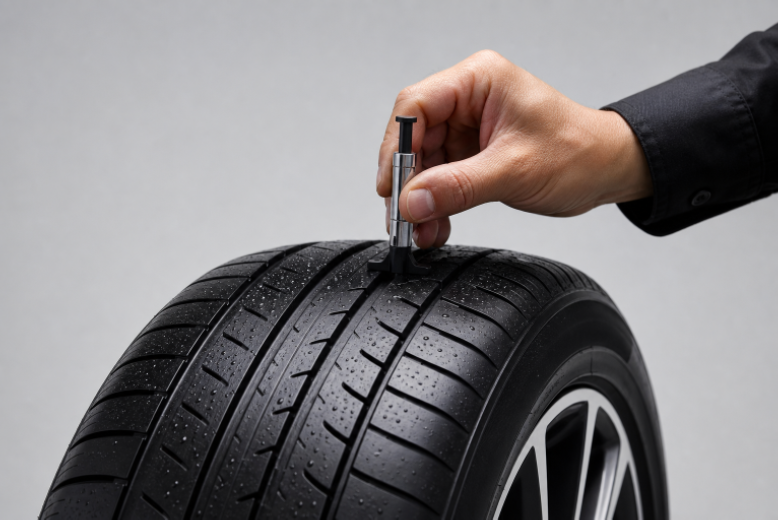
Pacific Northwest drivers deal with wet pavement for much of the year, along with cool mornings, standing water, leaf-covered streets, and potholes that can appear after repeated storms. A practical maintenance routine helps keep a vehicle dependable when road conditions are less forgiving. For help beyond a driveway inspection, an auto repair shop Redmond WA, can evaluate concerns such as unusual tire wear, changes in braking, leaks, or warning lights.
The goal is not to service parts before they need attention. It is to check the systems that affect traction, visibility, stopping, and reliability often enough to find changes early. Your owner’s manual remains the best source for vehicle-specific fluid types, capacities, maintenance intervals, and warning-light guidance.
Why Rainy Roads Need a Different Care Routine
Rain reduces the margin for neglected maintenance. Water can collect in pavement grooves, hide potholes, carry debris onto the road, and make oil residue on the surface more slippery. Tires must move water away from their contact patches, while the driver needs a clear windshield and a predictable braking response. Regular checks are useful because small issues can become more noticeable when the weather turns wet.
The Monthly Five-Minute Check
A monthly inspection requires only a tire gauge and a little time. Park on level ground, walk around the vehicle, and look for changes rather than trying to diagnose every detail yourself.
- Check tire pressure when the tires are cold, including the spare if the vehicle has one.
- Look for nails, cracks, bulges, sidewall damage, and uneven tread wear.
- Test the wipers, washer spray, headlights, brake lights, turn signals, and hazard lights.
- Check oil, coolant, brake fluid, and washer fluid levels as directed by the manual.
- Look beneath the vehicle for fresh drips or puddles.
- Inspect battery terminals for loose connections or visible corrosion.
Tires, Tread, and Wet-Road Grip
Tires are the vehicle’s connection to the road, so pressure and tread condition should be priorities. The recommended cold tire pressure is listed on the driver-side tire information label or in the owner’s manual, rather than as the maximum pressure molded into the tire sidewall. Check it at least monthly and after a major temperature change.
Tread channels help direct water away from the tire. Replace tires once tread reaches the wear indicators, or sooner if there are cuts, bulges, repeated air loss, or severe irregular wear. A vehicle that pulls on a straight road, shakes at speed, or wears one edge of a tire faster than the other may need an inspection of the tires, wheels, alignment, or suspension.
Wipers, Glass, Lights, and Visibility
Wiper blades can deteriorate gradually, making it easy to overlook declining performance until a heavy downpour. Replace blades that streak, skip, chatter, split, or leave areas of the windshield uncleared. Keep the windshield clean inside and out, since interior film can increase nighttime glare.
Washer fluid is also a safety item. Use fluid intended for automotive windshields, keep the reservoir filled, and confirm both spray nozzles reach the glass. Check exterior lights regularly, including brake lights and turn signals. Cloudy lenses, dim bulbs, or moisture inside a light housing can reduce how well other road users see the vehicle.
Brake and Suspension Checks
A brief brake squeak after driving through water may disappear as components dry. Repeated squealing, grinding, vibration during braking, a soft pedal, or pulling to one side should not be treated as normal. These symptoms can have different causes, so a qualified inspection is the safest way to identify the problem.
Suspension condition matters, too. Worn shocks, struts, or related components can affect how steadily tires stay in contact with uneven pavement. Excessive bouncing after a bump, nose-diving while braking, clunking noises, and tire cupping are useful reasons to schedule an evaluation.
Fluids, Belts, and Cooling Parts
Rain does not replace normal maintenance for engine oil, coolant, brake fluid, transmission fluid, or other vehicle-specific fluids. Follow the manufacturer’s schedule and use the specified products. Check for fresh leaks around the vehicle and watch for a sweet coolant odor, an oily spot on the ground, or a fluid level that keeps dropping.
When the engine is cool and accessible areas are visible, inspect hoses and belts for obvious cracks, fraying, swelling, or looseness. Do not open a hot cooling system. If the temperature gauge rises unusually high or a temperature warning appears, stop driving as soon as it is safe and follow the instructions in the owner’s manual.
Battery and Electrical Care
Cool, damp weather and frequent use of lights, defrosters, and cabin accessories can reveal a weakening battery or charging-system concern. Watch for slow cranking, dim lights, flickering electronics, or a battery warning light. Corrosion at battery terminals can interfere with electrical connections, but battery service should be handled carefully because batteries can produce hazardous gases and contain corrosive acid.
A Simple Seasonal Maintenance Plan
Spring
- Inspect tires and wheels after winter potholes and rough pavement.
- Clear leaves and debris from drainage areas near the hood and windshield.
- Check alignment if the steering wheel is off-center or the vehicle pulls to one side.
Summer
- Check coolant level and inspect visible hoses before longer drives.
- Test the air conditioning and inspect tire pressure before road trips.
- Address slow starts before they become a no-start situation.
Fall and Winter
- Replace the weak wipers and refill the washer fluid before the frequent rain returns.
- Confirm that the heater, defroster, and every exterior light work properly.
- Check tire pressure more often as temperatures change.
- Remove ice manually rather than forcing frozen wipers across the glass.
Warning Signs That Need Prompt Attention
Arrange an inspection when a new dashboard warning appears, the engine overheats, fluid leaks develop, or braking and steering behavior change. New vibrations, rattles, clunks, burning smells, hard starts, and recurring battery issues also warrant attention. Warning lights vary by vehicle, so consult the manual to distinguish an advisory notice from a condition requiring immediate stopping.
Before a Long Drive in Wet Weather
- Check the tires for pressure, damage, and usable tread.
- Test wipers, washer fluid, headlights, brake lights, and turn signals.
- Check engine oil and coolant according to the vehicle instructions.
- Pack a phone charger, flashlight, water, blanket, and basic first-aid supplies.
- Review the route for weather alerts, flooding, and road closures.
Routine maintenance can support safe, efficient travel. The EPA recommends following the manufacturer’s service schedule, using the specified motor oil, and keeping tires properly inflated as part of a fuel-saving driving routine.
Conclusion
Reliable wet-weather driving begins before rain hits the windshield. Make the monthly inspection a habit, follow the maintenance schedule written for the vehicle, and respond early to changes in tire wear, visibility, braking, fluids, or starting. A consistent routine helps reduce surprises and supports more confident driving through every Pacific Northwest season.