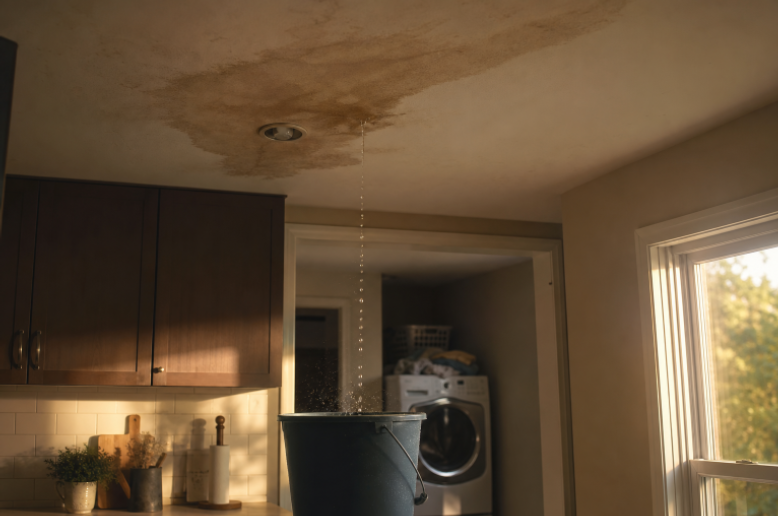
A ceiling stain, drip, or soft spot is more than a cosmetic problem. Water can move through insulation, framing, and drywall before it becomes visible, so the mark on the ceiling may be several feet from the real source. Whether the issue affects a home, rental unit, office, or retail space, acting quickly can help limit damage to finishes, belongings, and indoor air quality. If the cause is unclear, searching for leaking ceiling repair near me can be a practical next step after basic safety measures are in place. The Leak Detective Specialist, Inc. provides non-invasive leak detection for residential, commercial, and multi-unit properties, using tools such as infrared imaging, electronic detection equipment, cameras, and odor testing to help identify hidden sources. Based in Neptune Beach, the company serves Jacksonville and surrounding Northern Florida communities, including Duval, Nassau, St. Johns, and Clay Counties.
First, Determine Whether the Leak Is Active
A brown ring on the ceiling may be evidence of a past leak, but it can also indicate moisture still present behind the surface. Look for fresh drips, a stain that is expanding, damp or soft drywall, bubbling paint, musty odors, or changes that appear after rain, showering, flushing, or running an appliance.
- Place a bucket or waterproof container beneath active drips.
- Move electronics, furniture, rugs, documents, and valuables away from the area.
- Take photographs before cleanup begins, including close-ups and wider room views.
- Lightly mark the outer edge of a stain with a pencil and write the date beside it.
- Check again after weather events or water use, even if the surface seems dry.
Make the Area Safe Before Investigating
Water and electricity are a dangerous combination. A swollen, bowed, or visibly sagging ceiling may also collapse with little warning. Do not try to diagnose the source by climbing into a wet attic, removing a light fixture, or cutting into damaged drywall.
- Keep people, pets, and belongings away from the affected area.
- Avoid touching light fixtures, switches, outlets, or wiring near the leak.
- Turn off power to the affected room only if the electrical panel can be reached safely and without crossing wet areas.
- Do not stand under a bulging ceiling or attempt to puncture it.
- Call emergency services when there is immediate electrical, fire, or structural danger.
Match the Leak to the Room
Bathroom Ceiling Leaks
When a bathroom sits above the damaged ceiling, check whether the problem changes after showering, bathing, flushing, or using the sink. Possible sources include toilet supply lines, wax seals, shower valves, drain connections, tub overflows, and cracked grout or caulk. Water may follow floor joists before it appears below, so the ceiling stain may not sit directly under the fixture at fault.
Kitchen and Laundry Room Leaks
Look beneath sinks and inside nearby cabinets for signs of swelling, dampness, rust, or musty odors. Dishwasher connections, refrigerator water lines, washing machine hoses, sink drains, and ice makers can all create slow leaks. If an appliance is on an upper floor, inspect the ceiling below after it runs through a normal cycle.
Bedroom, Hallway, and Living Room Leaks
In these rooms, the cause may be a roof opening, attic plumbing, HVAC condensation, exterior water intrusion, or water traveling from a nearby bathroom. Compare the timing of the symptom with heavy rain, air conditioner operation, and upstairs activity. A stain in the middle of a room does not automatically mean the roof is leaking directly overhead.
Garage and Commercial Space Leaks
Roof drainage, sprinkler piping, exterior wall gaps, plumbing lines, and condensation are common possibilities. Protect tools, inventory, stored records, equipment, and electrical items first. Tenants and property managers should promptly document any damage and notify the responsible party in writing.
Common Causes Behind a Ceiling Leak
- Roof damage: Missing shingles, failed flashing, clogged gutters, storm damage, or damaged roof penetrations.
- Plumbing leaks: Corroded pipes, loose fittings, failing joints, and damaged supply lines.
- Bathroom overflows: Faulty drains, leaking toilets, shower pan problems, or tub overflow issues.
- HVAC moisture: Clogged condensate drains, frozen coils, or poorly insulated ductwork.
- Exterior intrusion: Failed caulk, window leaks, siding gaps, or openings around vents and pipes.
- Attic condensation: Inadequate ventilation, insulation gaps, or moisture collecting around ductwork.
Why the Visible Stain May Not Reveal the Source
Water follows gravity, but it also follows the easiest path through framing, insulation, wiring openings, and drywall seams. For example, a hallway stain beside a light fixture could originate from a bathroom supply line several feet away. Moisture meters, infrared scans, cameras, and controlled testing can help narrow down the source without unnecessarily opening large areas of the ceiling.
What Not to Do After Discovering a Leak
- Do not paint over a stain before the moisture source has been corrected.
- Do not seal damp drywall with caulk, texture, or stain-blocking paint.
- Do not run fans around wet electrical fixtures or suspected wiring damage.
- Do not dismiss a recurring stain or musty smell because it temporarily dried.
- Do not mix bleach with ammonia or other household cleaning products.
Mold, Drying, and Indoor Air Concerns
Stopping the leak and drying the affected materials are separate jobs. Wet insulation, drywall, ceiling tiles, carpet, and other porous materials may not be salvageable, particularly if mold is present or the water was contaminated. The EPA’s mold cleanup guidance recommends promptly correcting water problems, thoroughly drying materials, and seeking qualified help for extensive growth, contaminated water, or suspected HVAC contamination. People with asthma, allergies, or weakened immune systems should avoid handling moldy materials where possible. If the leak involves sewage, floodwater, or a large area of contamination, professional assessment is especially important. For broader flood-related hazards and cleanup planning, review the safety information available from Ready.gov.
Document Damage for a Landlord or Insurance Claim
- Photograph ceilings, walls, floors, fixtures, furniture, and damaged personal property.
- Record the date, time, weather conditions, and water use before the problem appeared.
- Keep receipts for emergency services, cleanup supplies, temporary repairs, and lodging.
- Save inspection reports, estimates, moisture readings, and written communication.
- Ask the insurer or landlord before discarding damaged items that may need to be documented.
Questions to Ask a Leak Detection Professional
- What evidence supports the suspected source?
- Which rooms, fixtures, pipes, attic areas, or exterior surfaces were inspected?
- Was moisture found in the ceiling cavity, walls, framing, or insulation?
- Can the source be located without major demolition?
- Which repair should happen first, and could more than one leak be involved?
- Will the report include photographs, findings, and recommended next steps?
Ceiling Leak Prevention Checklist for 2026
- Inspect visible plumbing connections twice each year.
- Replace aging appliance hoses before they crack or burst.
- Keep gutters, roof drains, and exterior drainage paths clear.
- Check attic insulation, ventilation, and ductwork for dampness or condensation.
- Test shutoff valves so they are usable during an emergency.
- Watch for unexplained increases in water bills or repeated musty odors.
Conclusion: Find the Source Before Repairing the Surface
A ceiling stain is a clue, not a diagnosis. Containing an active drip can reduce immediate damage, but lasting repairs depend on identifying and stopping the source before patching drywall or applying paint. The cause may involve roofing, plumbing, HVAC systems, condensation, or another hidden moisture issue that requires proper inspection. Taking photos, documenting the damage, and addressing the leak promptly can also be helpful if insurance or warranty questions arise. Waiting too long may allow moisture to spread, increasing the risk of mold growth, weakened materials, or more extensive repairs. A careful, methodical response protects the property, helps preserve important documentation, and reduces the chance that the same ceiling problem returns after the next storm, shower, appliance cycle, or seasonal weather change.