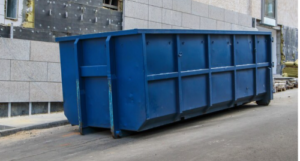
Construction projects often produce large amounts of waste, including broken concrete, wood, drywall, metal, packaging, and other unwanted materials. Managing this waste properly is important for keeping the worksite clean, safe, and organized. A debris box provides a practical way to collect and manage construction waste while reducing clutter and improving overall efficiency.
Keeping the Construction Site Organized
A busy construction site can quickly become crowded with waste if materials are not removed regularly. Scattered debris can make it difficult for workers to move around and may increase the risk of trips, falls, and other accidents. Using a debris box gives workers a designated place to put unwanted materials.
When waste is placed directly into the debris box, the work area can remain cleaner and easier to navigate. This organization can also help workers spend more time on their main tasks instead of constantly dealing with loose waste.
Improving Worker Safety
Safety should always be a major priority during construction. Sharp objects, broken materials, nails, and heavy pieces of waste can create serious hazards when left around the jobsite. A properly placed debris box helps keep these materials contained.
Workers can place waste in one central location instead of leaving it near walkways or work areas. This simple approach can reduce unnecessary hazards and support a safer working environment. Keeping the debris box in an accessible but safe location also makes waste disposal more convenient for the entire crew.
Making Waste Removal More Efficient
Construction waste can be difficult to handle when it is collected in small piles across a large site. Workers may need to repeatedly gather and move these materials, which can take valuable time and effort. A debris box makes the process more efficient by providing one convenient collection point.
Once the debris box becomes full, it can be removed and replaced according to the project’s waste management needs. This allows construction teams to maintain a steady workflow without allowing waste to build up around the property.
Supporting Better Waste Management
Different construction projects produce different types of waste. Some materials may be recyclable, while others need to be disposed of properly. Using a debris box can make it easier to organize waste before it is transported away from the site.
Construction teams can also use separate containers when different materials need to be handled individually. This approach can support responsible disposal practices and help reduce the amount of reusable or recyclable material that ends up in landfills.
Choosing the Right Debris Box
Selecting the right debris box depends on the size and type of construction project. A small renovation may only require a compact container, while a large building project may produce enough waste to require a larger option.
It is also important to consider the available space at the site. The debris box should be placed where workers can easily access it without blocking entrances, driveways, walkways, or important equipment. Choosing a suitable size and location can make waste handling much smoother.
Reducing Project Delays
Poor waste management can slow down construction work. When workers have to move around piles of debris or stop frequently to clear work areas, productivity can suffer. A debris box provides a simple solution by keeping waste contained and making cleanup more manageable.
Regular waste removal can help maintain a cleaner site throughout the project. As a result, workers can move more freely and focus on completing their responsibilities on schedule.
Conclusion
Construction waste needs to be handled carefully to maintain safety, organization, and productivity. A debris box offers a convenient solution for collecting unwanted materials and keeping them under control. By improving waste storage, supporting safer work areas, simplifying removal, and encouraging better organization, a debris box can make construction cleanup more efficient. Choosing the appropriate container and using it properly can contribute to a cleaner and more productive construction site.